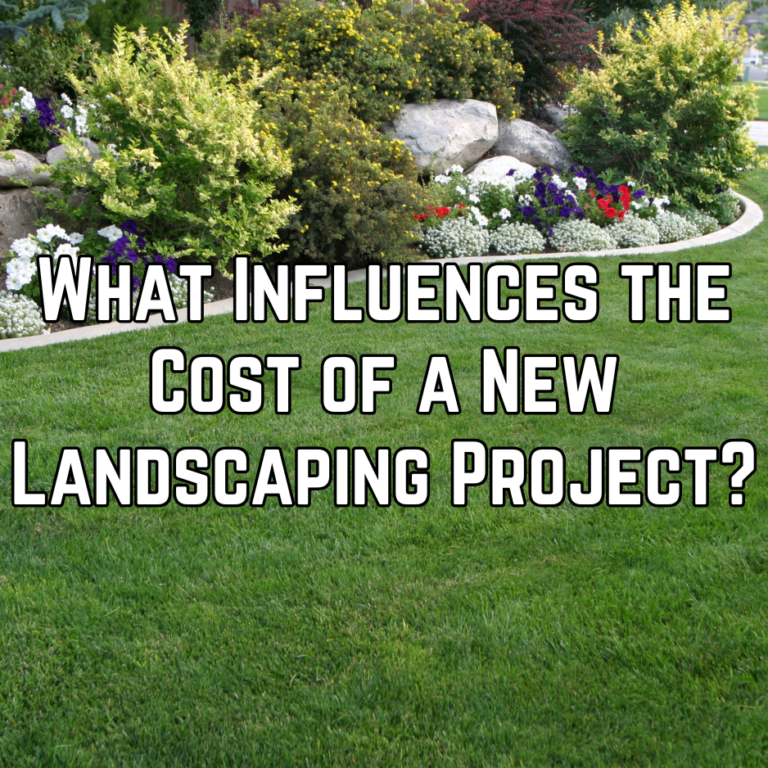
If you live in Cache Valley — from Logan to Smithfield, Hyrum, Providence, or Wellsville — you already know how much the seasons shape outdoor life. Those same weather patterns directly affect how much it costs to build or upgrade your landscape. With long, snowy winters, dry hot summers, heavy clay soils, and a short growing season, every element must be designed for durability and efficiency. Understanding these regional cost drivers allows you to budget wisely, prevent expensive mistakes, and build an outdoor space that looks great year-round.
The Cache Valley Climate and Its Impact
Cache Valley sits in a high mountain basin at around 4,500 feet elevation, surrounded by the Wellsville and Bear River mountains. This geography traps cold air in the valley and creates large temperature swings between day and night. Key climate impacts on cost: Deep frost lines: Utilities, irrigation, and foundations must be buried deeper to prevent freezing. Snow load: Patios, retaining walls, and decks need stronger footings and drainage for meltwater. Short growing season: Plants must be hardy and quick to establish. Water scarcity: Drought restrictions make efficient irrigation systems a must. Wind exposure: Homes on the valley floor often need windbreaks and soil stabilization. These realities mean that the foundation of every landscape in Cache Valley is engineering, not just design.
1. Site Conditions, Soil & Drainage
Heavy clay soils common in Cache County hold water after storms, causing root rot, standing puddles, or frost heave. Excavating and replacing soil can cost several thousand dollars on larger projects. Snowmelt and spring runoff are another big consideration. Installing subsurface French drains, catch basins, or gravel swales prevents yard flooding and erosion. Many local landscapers recommend oversizing drainage systems by 20–30% compared to lowland Utah sites. If your property sits near the Logan River or at the base of a slope, plan for additional grading or erosion control.
2. Hardscaping & Structural Elements
Hardscaping defines outdoor usability, but it’s also where Cache Valley projects see higher costs. The freeze-thaw cycle requires thicker aggregate bases (6–8 inches) under patios and pavers. Contractors often use compacted road base or crushed gravel sourced locally from Smithfield or Providence quarries. Driveways and retaining walls must include frost-resistant materials and proper drainage to prevent cracking. If retaining walls exceed four feet, local codes may require engineered drawings — adding roughly $500–$1,500 in design costs. Concrete flatwork should use air-entrained mixes and rebar reinforcement to prevent cracking during winter expansion.
Average Hardscape Material Costs (Cache Valley Adjusted)
| Material | Cost per Sq. Ft. | Longevity | Notes |
|---|---|---|---|
| Gravel / Decomposed Granite | $1 – $3 | 7–10 yrs | Affordable, ideal for flexible surfaces |
| Concrete (Poured) | $6 – $11 | 25–40 yrs | Must use frost-rated mix |
| Brick / Concrete Pavers | $8 – $15 | 20–30 yrs | Add 10–15% for frost protection |
| Natural Stone | $15 – $30+ | 30+ yrs | Premium look, high durability |
| Timber or Composite Decking | $12 – $25 | 15–25 yrs | Must handle snow load and moisture |
3. Planting & Softscaping
Cache Valley’s short growing window means you’ll need to be strategic about planting. Choose Utah-native, drought-tolerant, and cold-hardy plants such as Rocky Mountain maple, serviceberry, and hackberry trees; shrubs like potentilla, spirea, and juniper; groundcovers such as creeping thyme, blue flax, and blanketflower; and perennials like echinacea, black-eyed Susan, and Russian sage. Native species lower irrigation costs and survive both cold winters and summer heat. Buying smaller plants and letting them mature naturally saves 20–40% compared to installing mature stock. Adding organic compost or local topsoil improves plant health. Cache Valley suppliers such as Green Waste Logan and Valley Landscape Center sell screened compost that enhances drainage for clay-heavy yards.
4. Irrigation, Drainage & Utilities
A modern irrigation system is non-negotiable in Cache Valley’s dry summers. The most cost-effective setup includes drip irrigation for planting beds and sprinkler zones for lawns. Because of frost risk, systems must be winterized every fall with air blowouts or drain valves. To avoid water waste, many homeowners install smart controllers like Rachio or Hunter Hydrawise, which adjust watering based on Cache Valley’s microclimate and rainfall data. Lighting systems also require weather-rated fixtures — LED path lights and motion sensors reduce energy use and maintenance.
5. Energy-Efficient & Sustainable Design (New Section)
Cache Valley homeowners increasingly invest in sustainability features that both reduce operating costs and improve property value. While these add to upfront costs, they pay off long-term.
| Feature | Initial Cost Impact | Long-Term Benefit |
|---|---|---|
| Drip irrigation & smart controllers | +10–15% | Saves up to 40% water annually |
| Permeable pavers | +15–25% | Reduces runoff & improves drainage |
| Shade trees on west/south sides | $200–$500 per tree | Reduces cooling bills by 10–20% |
| Mulch / xeriscaping beds | Moderate | Cuts watering & weeding costs |
| Solar landscape lighting | +5–10% | No electric bills, minimal maintenance |
| With Logan City and Cache County promoting water-wise landscaping through rebates and education programs, these sustainable upgrades are increasingly common. |
6. Seasonal Timing and Contractor Availability
Because the workable season in Cache Valley runs roughly from April through October, demand peaks in early summer. Contractors often book out months ahead, so scheduling early can lock in lower rates. Best time to build hardscapes: June through August (dry weather for curing and compaction). Best time to plant: Late May to mid-June, or early September before frost. Best time to install irrigation: After grading but before planting. Projects started too late risk frost delays or require soil heating blankets and frost-protection materials — adding 10–15% to cost.
7. Cost Breakdown for Cache Valley Projects
| Component | % of Total Budget | Local Factors |
|---|---|---|
| Hardscape & Structure | 35–50% | Deeper frost bases, snow load engineering |
| Irrigation & Drainage | 12–18% | Frost-proof systems, runoff control |
| Soil Prep & Grading | 10–15% | Clay soil correction, drainage contouring |
| Planting & Softscape | 15–20% | Hardy natives, mulch insulation |
| Lighting & Utilities | 3–7% | Cold-rated wiring, LED fixtures |
| Design, Permits, Contingency | 5–10% | Short work season, weather delays |
8. Maintenance & Long-Term Care
Cache Valley’s landscape care revolves around the seasons. In winter, irrigation systems must be drained or blown out. In spring, lawns and beds need aeration to relieve compaction from snow. Annual Maintenance Checklist: Spring: Fertilize, prune, check irrigation, reseed thin turf areas. Summer: Monitor watering schedule, mulch to retain moisture. Fall: Winterize irrigation, trim back perennials, clean leaves. Winter: Inspect hardscapes for cracks or shifting after freeze. Average annual maintenance for a medium-sized property ranges from $600–$1,500, depending on service level.
9. Smart Planning Tips for Cache Valley
- Start planning in winter. Contractors’ spring schedules fill up quickly. 2. Phase your project. Do hardscape and infrastructure first, planting later. 3. Buy local. Cache Valley suppliers offer stone, mulch, and compost at lower freight costs. 4. Invest in drainage early. Oversizing pipes and grading now avoids costly rework. 5. Plant smart. Use natives that thrive in USDA zone 5a–6b conditions. 6. Simplify design. Straight lines and fewer curves save labor and material waste. 7. Ask about warranties. Local contractors often guarantee irrigation and hardscape work against frost damage for one year.
Final Thoughts
A landscaping project in Cache Valley is an investment in both beauty and durability. The area’s harsh winters and dry summers demand thoughtful design, frost-proof engineering, and reliable irrigation. While costs may be slightly higher than in milder parts of Utah, a well-built landscape here will last decades with minimal repairs. By planning ahead, prioritizing smart infrastructure, and working with contractors who understand Cache Valley’s unique environment, you can achieve a landscape that complements your home, conserves resources, and weathers every season beautifully.