
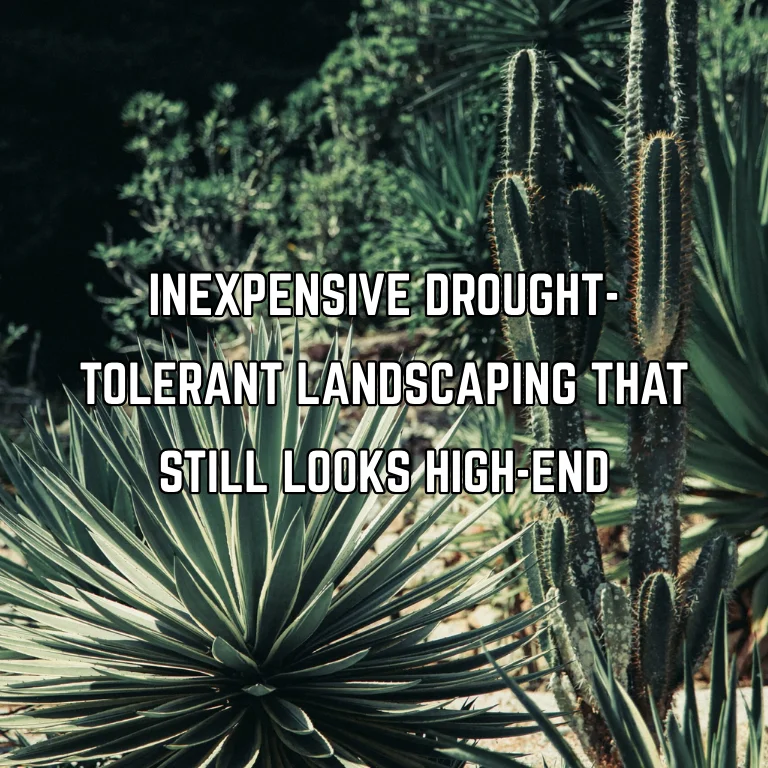
A yard doesn’t have to be oversized, water-hungry, or expensive to look luxurious. In fact, some of the most polished landscapes in Utah are built using inexpensive drought-tolerant landscaping principles. The key isn’t spending more — it’s choosing the right materials, plants, and layout.
Utah’s dry summers and fluctuating temperatures actually make this style of landscaping the smarter long-term investment.
Why Budget Landscaping Often Looks Better
Traditional lawns can look patchy, overgrown, or uneven — especially in dry climates. A well-planned drought-tolerant design creates:
- Clean structure
- Balanced plant spacing
- Defined ground cover
- Less visual clutter
That’s what gives landscapes a high-end feel.
Start With a Strong Base Layer
Luxury design always begins with the ground plane. Instead of large lawn areas, use:
- Decorative gravel
- Crushed rock
- Decomposed granite
- Stone pathways
These materials are affordable, long-lasting, and reduce watering, mowing, and fertilizing.
A rock foundation instantly upgrades the appearance of a yard while keeping maintenance low.
Use Fewer Plants — But Use Them Intentionally
One of the biggest mistakes in budget landscaping is overplanting. High-end landscapes use repetition, not variety.
Choose 3–5 reliable drought-tolerant plants and repeat them in groupings:
- Lavender
- Russian Sage
- Ornamental grasses
- Sedum
- Juniper
This creates rhythm and makes the yard feel professionally designed.
Add Vertical Elements for a Designer Look
Height variation makes a yard look expensive.
Affordable vertical accents include:
- Columnar junipers
- Upright ornamental grasses
- Narrow evergreens
These provide structure without taking much space or water.
Define Spaces With Edging and Borders
Clean edges separate rock, mulch, and planting areas. This simple detail makes even a low-cost yard look finished.
Options include:
- Steel edging
- Stone borders
- Concrete curbing
Sharp lines = high-end appearance.
Hardscape Creates Value Without Maintenance
Hardscape elements don’t need watering or trimming.
Budget-friendly ideas:
- Stepping stone walkways
- Gravel seating zones
- Simple retaining walls
- Defined entry paths
These features increase curb appeal and functionality at the same time.
Keep Lawn Areas Small (or Remove Them)
Grass is the most expensive and highest-maintenance element in landscaping. Reducing turf is one of the fastest ways to create a modern, drought-tolerant design.
Even replacing part of the lawn with rock and planting beds can transform the space.
Smart Irrigation Keeps Costs Down
Drip irrigation supports plants without waste. It’s cheaper long-term than sprinklers and perfect for drought-tolerant landscapes.
Why This Style Looks High-End
A landscape feels luxurious when it looks intentional. That comes from:
- Simplicity
- Balance
- Repetition
- Defined areas
- Strong focal points
Not from expensive plants or oversized lawns.
Frequently Asked Questions About Drought-Tolerant Landscaping
What is the most drought-resistant ground cover?
Ground covers like creeping thyme, sedum varieties, and ice plant are extremely drought-resistant. They spread well, suppress weeds, and require very little water once established, making them ideal for Utah landscapes.
What is the most drought tolerant lawn?
Buffalo grass and certain fescue blends are among the most drought-tolerant lawn options. They require less water than traditional bluegrass and can survive hot, dry conditions better.
What is the best grass for drought and full sun?
Tall fescue and buffalo grass perform well in full sun and dry conditions. They develop deep roots that help them withstand heat and limited irrigation.
What is the most drought-resistant shrub?
Juniper shrubs are some of the most drought-resistant and widely used in Utah landscaping. They are hardy, low-maintenance, and provide year-round structure.
Conclusion
Xeriscaping is one of the smartest ways Utah homeowners can create a front yard that looks beautiful without constant watering or upkeep. By combining decorative rock, mulch, drought-tolerant plants, and efficient irrigation, a xeriscape design works with Utah’s climate instead of fighting it.
The result is a landscape that saves water, lowers maintenance, and delivers clean, modern curb appeal year-round — making xeriscaping a long-term investment in both your home and the environment.