

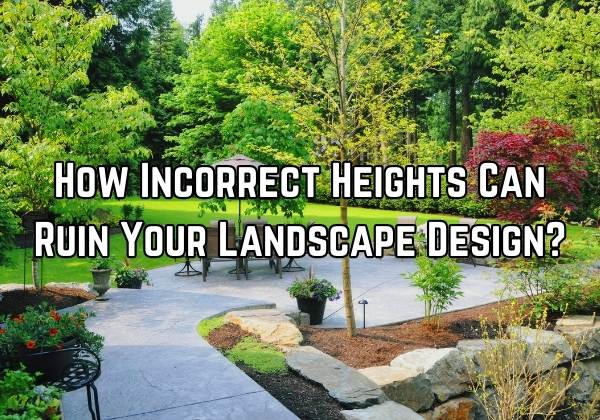
Poor height planning destroys landscape harmony and creates costly problems. When plants, structures, and design elements aren’t properly sized for their space, you’ll face blocked views, overcrowded gardens, safety hazards, and maintenance nightmares that can cost thousands to fix.
Key Takeaways
- Mature plant size matters most – A 6-foot shrub planted under a window will block views within 2-3 years
- Layering creates depth – Front plantings should be 12-18 inches tall, middle layer 3-4 feet, background 6+ feet
- Sight lines preserve views – Trees planted too close to windows block natural light and scenic vistas
- Scale affects property value – Oversized elements make small yards feel cramped and reduce curb appeal
- Safety comes first – Plants near walkways should stay under 3 feet to maintain visibility
The Hidden Cost of Height Mistakes
Height planning might seem like a minor detail, but it’s the backbone of successful landscape design. Professional landscapers know that getting heights wrong creates a domino effect of problems that compound over time.
Consider this: A homeowner plants a beautiful blue spruce sapling 8 feet from their front window. In 10 years, that “small” tree reaches 15 feet tall and 8 feet wide, completely blocking the window and requiring expensive removal or major pruning.
Common Height Planning Mistakes
Ignoring Mature Plant Sizes
The biggest landscaping mistake homeowners make is choosing plants based on their current size at the nursery, not their mature dimensions. Here’s what happens when you don’t plan ahead:
Small Shrubs That Become Giants
- Forsythia can reach 8-10 feet tall and wide
- Lilac bushes grow 6-12 feet in height
- Burning bush expands to 15 feet if left unpruned
Trees in Wrong Locations
- Maple trees near foundations can grow 40-60 feet tall
- Oak trees reach 50-80 feet with 40-foot canopy spreads
- Even “dwarf” fruit trees need 6-8 feet of clearance
Poor Layering in Garden Beds
Effective landscape design uses three distinct height layers to create visual interest and proper proportions:
| Layer | Height Range | Plant Examples | Purpose |
|---|---|---|---|
| Front/Edge | 6-18 inches | Hostas, lavender, marigolds | Define borders, add color |
| Middle | 2-4 feet | Hydrangeas, roses, ornamental grasses | Create structure, seasonal interest |
| Background | 5+ feet | Evergreen shrubs, small trees | Provide privacy, backdrop |
When these layers get mixed up, your landscape loses depth and looks chaotic. Tall plants in front hide shorter ones behind them, creating dead zones and wasted space.
Blocking Sight Lines and Views
Strategic height placement preserves important views while creating privacy where needed. Common sight line mistakes include:
Window Interference
- Planting large shrubs directly under windows
- Placing trees where they’ll block scenic mountain or garden views
- Creating barriers that prevent natural light from entering homes
Walkway Obstructions
- Allowing plants to grow over sidewalks and paths
- Placing tall elements that block visibility around corners
- Creating blind spots near driveways and entrances
Structural Height Problems
Retaining Walls and Hardscape Elements
Hardscape features need proper height relationships with surrounding plants and structures. Problems arise when:
Retaining Walls Are Incorrectly Sized
- Walls under 3 feet often look insignificant
- Walls over 6 feet can feel overwhelming in small spaces
- Missing proper drainage behind tall walls causes failure
Fence and Screen Heights
- Privacy screens need 6-8 feet of height to be effective
- Decorative fencing works best at 3-4 feet
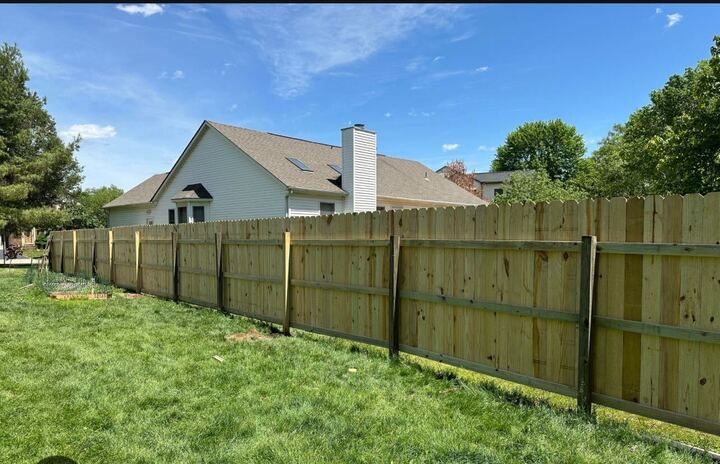
- Mismatched heights between fence sections look unprofessional
Multiple Contractors, Mismatched Heights
One of the most common — and most frustrating — causes of structural height problems happens when different contractors work on fences, retaining walls, planter beds, and drainage without coordinating.
- A fence company may install a 6-foot fence directly behind a 4-foot retaining wall built by another contractor. The combined 10-foot barrier looks imposing, feels out of scale, and in many cases violates local building codes. Fixing the mistake often means tearing down one or both elements — a costly error that could have been avoided.
- Planter beds added after a hardscape is installed often sit too high or low, creating awkward transitions and drainage problems. Water may pool against walls or flow incorrectly, leading to erosion and structural damage.
When separate contractors manage individual pieces, mismatched heights aren’t just unattractive — they create safety, legal, and maintenance headaches.
Proportional Relationships
Scale relationships between different landscape elements create visual harmony. When heights don’t work together, the entire design feels off-balance.
House-to-Landscape Proportions
- Single-story homes need smaller-scale plantings (4-8 feet maximum)
- Two-story houses can handle larger trees and shrubs (10-15 feet)
- Ranch-style homes look best with horizontal, layered plantings
Safety and Maintenance Concerns
Visibility and Access Issues
Incorrect heights create real safety problems that liability issues and emergency access concerns:
Traffic Safety
- Corner plantings over 30 inches block driver sight lines
- Shrubs near driveways should stay under 3 feet
- Clear zones of 10 feet are needed at intersections
Emergency Access
- Fire departments need 4-foot clearance around hydrants
- Emergency vehicles require 12-foot vertical clearance
- First responders need clear sight lines to home entrances
Maintenance Nightmares
When plants outgrow their intended spaces, maintenance becomes expensive and time-consuming:
Pruning Problems
- Overgrown shrubs require professional pruning every 6-12 months
- Trees planted too close to structures need annual crown management
- Power line conflicts create ongoing utility company issues
Replacement Costs
- Removing large, established plants costs $300-1,500 per tree
- Relocating mature shrubs requires professional equipment
- Redesigning failed landscapes costs 3-5 times more than proper initial planning
Solutions for Better Height Planning
Research Before You Plant
Smart height planning starts with understanding your plants’ mature characteristics:
Use Reliable Plant Information
- Check USDA growing guides for accurate mature sizes
- Consult local extension office plant databases
- Ask nursery professionals about 10-year growth projections
Consider Growing Conditions
- Rich soil and irrigation increase mature plant sizes
- Poor drainage and compact soil limit growth
- Local climate zones affect ultimate plant dimensions
Design With Layers
Create successful landscape compositions using proper layering techniques:
Follow the One-Third Rule
- Front layer plants should be one-third the height of middle layer
- Middle layer should be one-third the height of background plants
- This creates natural, pleasing proportions
Plan View Corridors
- Identify important views from inside your home
- Keep sight lines clear with low plantings or careful placement
- Frame distant views with properly sized trees and shrubs
Professional Planning Strategies
Experienced landscape designers use proven methods to avoid height problems:
Site Analysis First
- Measure and map existing structures, utilities, and sight lines
- Identify microclimates that affect plant growth
- Consider future home additions or landscape changes
Staged Installation
- Plant large background elements first
- Add middle layer shrubs after trees are established
- Install front layer plants last for immediate impact
Long-Term Height Management
Sustainable Maintenance Practices
Even well-planned landscapes need ongoing height management:
Strategic Pruning Schedule
- Prune spring-flowering shrubs immediately after blooming
- Trim evergreens in late spring for controlled growth
- Remove lower tree branches annually to maintain clearance
Selective Plant Replacement
- Replace overgrown plants before they cause problems
- Choose naturally compact varieties for tight spaces
- Update landscapes every 10-15 years as plants mature
Adapting to Change
Landscapes evolve, and height planning must adapt:
Monitor Growth Patterns
- Document plant growth rates in your specific conditions
- Adjust maintenance schedules based on actual performance
- Plan for climate change effects on plant growth
Flexible Design Approaches
- Use moveable containers for seasonal height variation
- Install removable screens for temporary privacy
- Design pathways that can be adjusted as plants mature
The Value Of Working With Landscaping Company
All of these strategies work best when one professional company manages the entire project from start to finish.
Instead of hiring a fence company, then a hardscape builder, then a separate landscaper, one project manager ensures:
- Fence heights align with retaining walls
- Drainage is built into walls and planting beds from the start
- Plant selections and placements work with the overall design
This unified approach prevents miscommunication, mismatched heights, and expensive redesigns. It also means you have a single point of accountability — saving time, money, and stress.
Creating Successful Height Relationships
Professional landscape design balances multiple height considerations to create beautiful, functional outdoor spaces. The key is understanding how all elements work together over time.
When height planning is done correctly, landscapes mature gracefully, maintain their intended functions, and continue providing beauty and value for decades. The investment in proper planning pays dividends in reduced maintenance, preserved views, and lasting satisfaction with your outdoor environment.
Remember that landscape design is a long-term investment. Taking time to understand mature plant sizes, proper layering techniques, and functional height requirements prevents costly mistakes and creates outdoor spaces that enhance your property’s beauty and value for years to come.