
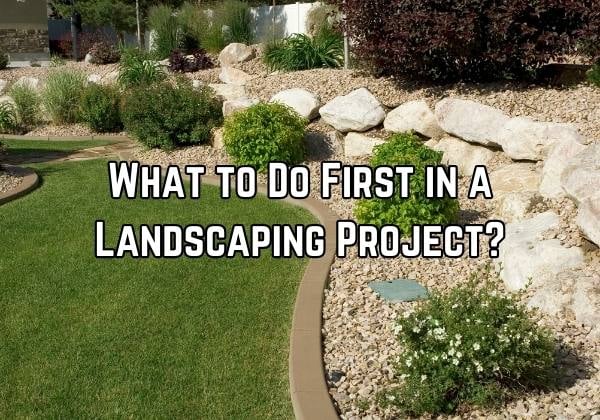
Starting a landscaping project without the right sequence is like building a house from the roof down. Whether you’re planning a complete yard makeover or adding new features to your outdoor space, following the correct order prevents costly mistakes and ensures professional results.
Key Takeaways
- Always start with planning and permits before any physical work
- Complete hardscaping elements before installing plants
- Install irrigation systems early in the process
- Save delicate plantings and final details for last
Why Project Sequence Matters in Landscaping?
Professional landscapers follow a specific order because each phase builds on the previous one. Starting with softscaping (plants and lawns) before hardscaping (patios and walkways) often leads to damaged plants, compacted soil, and expensive do-overs.
The most common mistake homeowners make is rushing into plant installation without proper site preparation. This approach typically results in 40-60% higher project costs due to rework and plant replacement.
Phase 1: Planning and Preparation (Week 1-2)
Site Analysis and Design
Begin with a thorough assessment of your property. Document existing conditions including:
- Soil composition and drainage patterns
- Sun and shade exposure throughout the day
- Existing vegetation and structures
- Property boundaries and easements
- Underground utilities location
Permits and Approvals
Check with local authorities about required permits. Most municipalities require permits for:
- Structures over 100 square feet
- Electrical work for outdoor lighting
- Plumbing modifications for irrigation
- Major grading changes exceeding 2 feet
Budget Allocation
Professional landscapers typically allocate budgets as follows:
| Project Component | Percentage of Budget |
|---|---|
| Hardscaping | 40-50% |
| Softscaping | 25-35% |
| Irrigation | 10-15% |
| Lighting | 5-10% |
| Contingency | 10-15% |
Phase 2: Infrastructure and Utilities (Week 3-4)
Utility Installation
Install all underground utilities before any other work begins. This includes:
- Main irrigation lines and valves
- Electrical conduits for lighting
- Drainage systems and French drains
- Gas lines for fire features or grills
Rough Grading
Establish proper grades and drainage slopes. The standard slope for drainage is 2% (1/4 inch per foot) away from structures. This phase involves:
- Removing existing vegetation and debris
- Adjusting soil levels and contours
- Installing major drainage infrastructure
- Compacting soil for hardscape foundations
Phase 3: Hardscaping Installation (Week 4-6)
Foundation Work
All hardscape elements require proper foundations. Install these permanent features in order of size and complexity:
- Retaining walls – Start with the largest structural elements
- Patios and decks – Install major entertainment areas
- Walkways and paths – Connect different areas of the landscape
- Steps and stairs – Address level changes between spaces
Material Selection Timeline
Different hardscape materials have varying installation requirements:
- Natural stone: Requires 7-10 days for proper base preparation
- Concrete: Needs 28 days to reach full strength before heavy use
- Pavers: Can typically support foot traffic after 24-48 hours
- Timber structures: Best installed during dry weather conditions
Phase 4: Irrigation and Drainage Systems (Week 5-6)
Irrigation Installation
Install sprinkler systems after hardscaping but before major planting. Modern irrigation systems use less water than older systems when properly designed.
Key components to install in sequence:
- Main water lines and backflow prevention
- Zone valves and control wiring
- Sprinkler heads and drip irrigation
- Controller programming and testing
Drainage Solutions
Proper drainage prevents common landscape problems. Install these systems now:
- Surface drains in low-lying areas
- Subsurface drainage around plant beds
- Downspout extensions and rain gardens
- Permeable surfaces where appropriate
Phase 5: Soil Preparation and Amendment (Week 6-7)
Soil Testing and Improvement
Test soil pH and nutrient levels before planting. Most landscape plants thrive in soil with pH between 6.0-7.0. Common soil amendments include:
- Compost addition (2-4 inches tilled into existing soil)
- Sand for drainage improvement in clay soils
- Organic matter for water retention in sandy soils
- Lime or sulfur for pH adjustment
Final Grading
Complete fine grading after hardscape installation. This involves:
- Smoothing soil surfaces for lawn installation
- Creating planting beds with proper drainage
- Establishing final elevations around structures
- Removing rocks, debris, and construction materials
Phase 6: Major Plantings (Week 7-8)
Tree and Shrub Installation
Install larger plants first, working from background to foreground. Large trees and shrubs:
- Require heavy equipment that can damage smaller plants
- Need adequate space for root ball placement
- Establish better when planted before ground-level competition
Plant Sizing Strategy
Professional landscapers typically choose plants based on mature size rather than immediate impact:
- Trees: Select specimens 1.5-2 inches in caliper for best establishment
- Shrubs: Choose plants 1/3 to 1/2 their mature size
- Perennials: Install at 2/3 mature spread for quicker coverage
Phase 7: Lawn Installation (Week 8-9)
Timing Considerations
Grass installation timing depends on your region and grass type:
- Cool-season grasses: Best planted in early fall (September) or early spring (April-May)
- Warm-season grasses: Optimal installation in late spring through early summer (May-July)
Installation Methods
Choose the appropriate method based on your timeline and budget:
- Sod installation: Provides instant results, usable in 2-3 weeks
- Seeding: More economical, requires 6-8 weeks for establishment
- Hydroseed: Middle-ground option, establishes in 4-6 weeks
Phase 8: Finishing Touches (Week 9-10)
Lighting Installation
Install landscape lighting after all major work is complete. LED lighting systems use 75% less energy than traditional halogen systems and last 15-20 times longer.
Mulch and Edging
Apply organic mulch 2-3 inches deep around plants but keep 3-4 inches away from tree trunks. Quality mulch:
- Reduces water evaporation
- Suppresses weed growth
- Moderates soil temperature fluctuations
Final Details
Complete these finishing elements last:
- Decorative elements and garden art
- Annual flower installations
- Final irrigation adjustments and programming
- Initial fertilization and plant establishment care
Common Sequencing Mistakes to Avoid
- Installing Plants Too Early: Plants installed before hardscaping often suffer damage from construction traffic and equipment. This mistake increases plant replacement costs by 30-50%.
- Skipping Soil Preparation: Poor soil preparation leads to high plant failure rates within the first two years.
- Inadequate Drainage Planning: Drainage problems discovered after installation cost 3-5 times more to fix than proper initial installation.
- Rushing Irrigation Design: Improperly designed irrigation systems waste 25-50% more water and create uneven plant growth.
Timeline Expectations for Different Project Sizes
Understanding realistic timelines helps manage expectations:
| Project Scope | Duration | Key Factors |
|---|---|---|
| Basic landscaping (under 1,000 sq ft) | 2-4 weeks | Weather, permit approval |
| Medium project (1,000-3,000 sq ft) | 4-8 weeks | Hardscape complexity, plant availability |
| Large installation (3,000+ sq ft) | 8-16 weeks | Multiple phases, seasonal timing |
Seasonal Considerations for Project Timing
- Spring Projects: Ideal for most landscaping work, but high contractor demand may extend timelines 2-3 weeks.
- Summer Projects: Good for hardscaping but challenging for plant establishment without intensive watering.
- Fall Projects: Excellent for tree and shrub planting, moderate contractor availability.
- Winter Projects: Limited to planning and hardscape work in mild climates, weather delays common.
Working with Contractors vs. DIY Sequencing
Professional contractors coordinate multiple trades and understand critical timing relationships. DIY projects often take 2-3 times longer due to:
- Learning curves for new techniques
- Equipment rental scheduling
- Material delivery coordination
- Permit and inspection processes
Maintaining Your Investment
Following proper installation sequence protects your landscaping investment. Well-sequenced projects typically:
- Experience fewer plant failures in the first year
- Require less maintenance during establishment
- Maintain higher property values over time
- Need fewer repairs and replacements
Conclusion
Successful landscaping projects depend more on proper sequencing than expensive materials or elaborate designs. Starting with thorough planning, completing infrastructure work first, and saving delicate elements for last ensures professional results and long-term success.
Remember that each phase builds on the previous one. Taking shortcuts or rushing the sequence often leads to higher costs and disappointing results. When in doubt, consult with local landscaping professionals who understand regional conditions and proven installation methods.