


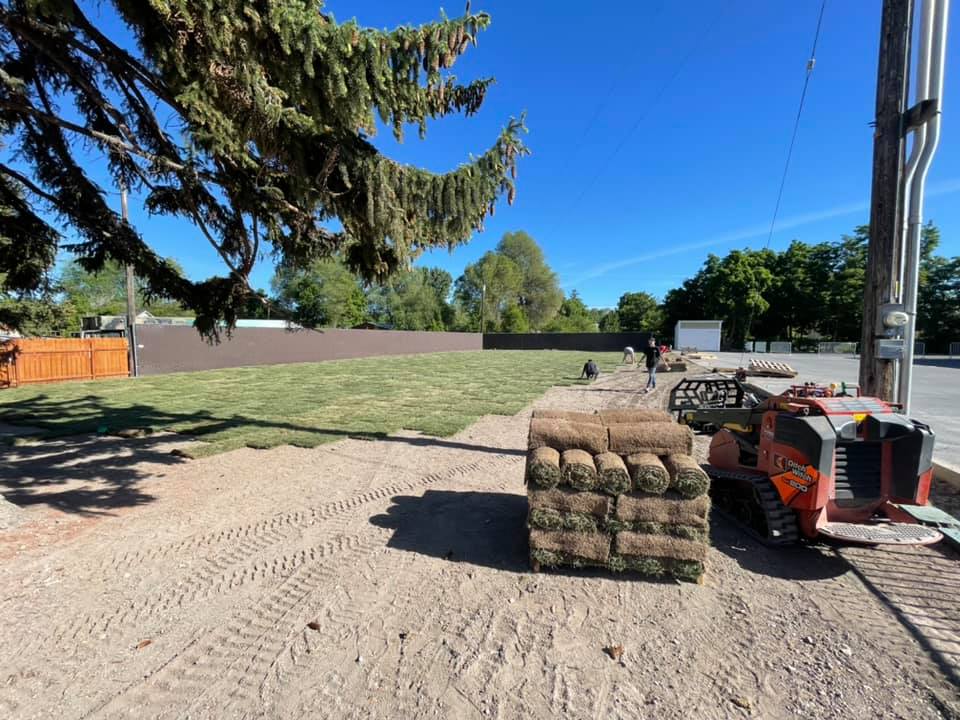
Installing new sod is an exciting step toward achieving the lush, green lawn you’ve always wanted. However, success depends on proper care during those crucial first 30 days. Utah’s unique climate presents both opportunities and challenges with its high altitude, intense UV radiation, temperature fluctuations, and low precipitation.
This comprehensive guide will walk you through everything you need to know about caring for newly installed sod in Utah’s distinctive climate conditions.
Understanding Utah’s Climate Impact on New Sod
Utah’s climate can be particularly challenging for new sod establishments. The state experiences a semi-arid to arid climate with several factors that directly affect grass growth and root development.
- High Altitude and UV Exposure: Most of Utah sits between 4,000-6,000 feet above sea level, meaning increased UV radiation and faster moisture evaporation. The thin air and intense sun can stress new grass before root systems establish.
- Temperature Variations: Utah experiences significant temperature swings, sometimes within a single day. Spring and fall bring freezing nights followed by warm afternoons, creating stress for newly transplanted sod.
- Low Humidity and Dry Conditions: With 10-20 inches of annual precipitation, Utah’s dry air accelerates water loss. Low humidity means grass loses moisture quickly, making consistent watering critical during establishment.
- Soil Challenges: Many Utah areas have clay-heavy or alkaline soils affecting drainage and nutrient availability. Poor drainage can waterlog roots, while alkaline conditions may impact nutrient uptake.
Week 1: Critical Establishment Phase
The first week after installation is crucial for long-term success. Your new grass is in transplant shock, and proper care determines whether it thrives or fails.
Immediate Watering Requirements
- Water immediately after installation, even if soil appears moist
- Apply 1-1.5 inches of water during the first week
- Water 2-3 times daily for shorter durations rather than one long session
- Primary watering: early morning (4-8 AM)
- Secondary watering: midday during hot spells
- Light evening watering if temperatures remain high
Monitoring and Care Check soil moisture by gently lifting sod corners. Soil should feel consistently moist but not waterlogged. If you can squeeze water from soil, you’re overwatering. If sod edges curl up, increase watering frequency.
Avoid all foot traffic during week one unless absolutely necessary. The root system hasn’t anchored, and traffic can shift or damage sod pieces.
Warning Signs
- Curling or lifting edges indicate insufficient water
- Yellow or brown patches may signal overwatering
- Gaps between pieces are normal but shouldn’t widen
Week 2-3: Root Development and Adjustment
During weeks two and three, sod begins critical root development. Proper care becomes even more important as grass transitions from stored energy to developing its own root system.
Adjusting Watering Practices Transition from frequent, light watering to deeper, less frequent sessions:
- Water once daily (early morning) with occasional afternoon supplementation
- Apply 0.75-1 inch of water every other day
- Encourage deeper root growth rather than shallow roots
First Mowing Guidelines Most sod can handle first mowing around day 10-14, but only if roots are establishing. Test by gently tugging sod corners – if it resists, roots are developing.
- Set mower to highest setting
- Remove only top third of grass blades
- Never mow wet grass
- Taller grass helps shade soil and reduce evaporation
Weather Adaptations
- Hot, windy days: Increase watering frequency
- Cool, cloudy periods: Reduce watering but maintain soil moisture
- Unexpected frost: Light pre-sunrise watering prevents damage
- Heavy rain: Reduce supplemental watering, monitor drainage
Week 4: Strengthening and Maturation
By week four, sod should show significant establishment signs with visible root growth and improved color. Begin transitioning toward normal lawn care practices.
Transitioning Watering Schedules Move toward long-term watering schedule:
- Deep watering 2-3 times per week
- Apply 1-1.5 inches per week in 2-3 sessions
- Encourage deep root growth for drought tolerance
Traffic and Usage Light foot traffic becomes acceptable, but avoid heavy use until after day 30. The root system is still developing, and excessive stress can set back progress.
Establishment Success Indicators
- Sod pieces don’t lift when gently tugged
- Uniform green color across lawn
- New growth visible at grass blade tips
- Soil feels firmly connected beneath sod
Common Issues and Solutions
- Brown/Yellow Patches: Usually watering issues – adjust frequency and check drainage
- Fungal Problems: Ensure morning watering for daytime drying, improve air circulation
- Uneven Growth: Continue consistent care; slower areas should catch up
- Pest Concerns: Watch for grub damage or other pest signs
Long-term Success Strategies for Utah Lawns
Successfully establishing sod during the first 30 days creates the foundation for years of beautiful lawn enjoyment.
Seasonal Adaptations
- Spring: Gradually increase watering as temperatures warm
- Summer: Deep watering and higher mowing heights protect grass crowns
- Fall: Reduce watering frequency, maintain soil moisture
- Winter: Significantly reduce watering but prevent complete soil desiccation
Utah-Specific Considerations Test soil pH annually and adjust alkaline conditions with amendments. Add organic matter through compost applications and improve clay soil drainage through aeration.
Water Conservation
- Install smart irrigation controllers
- Use soil moisture sensors
- Consider drip irrigation for adjacent landscape beds
- Choose appropriate grass varieties for your microclimate
Common Utah Challenges
- Salt Damage: Flush affected areas, consider salt-tolerant varieties
- Pest Issues: Monitor for chinch bugs and billbugs
- Drought Stress: Deep, infrequent watering builds resilience
- Disease Prevention: Proper watering timing prevents fungal issues
Conclusion
Caring for new sod in Utah’s climate requires attention to detail, consistent care, and flexibility to adapt to changing conditions. The first 30 days are crucial for establishing healthy root systems and ensuring long-term success.
Success lies in consistent care, proper watering practices, and understanding how Utah’s climate affects grass development. By following these guidelines and adapting to your sod’s specific needs, you’ll establish a beautiful lawn that can withstand Utah’s challenging climate conditions.
Remember that every installation is unique, and don’t hesitate to consult local landscaping professionals if you encounter unexpected challenges during establishment.