

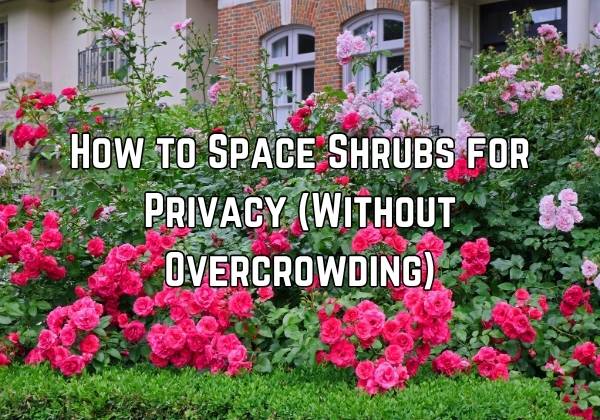
Creating a natural privacy screen with shrubs is one of the most effective ways to establish boundaries in your yard while adding beauty and value to your property. However, many homeowners make the common mistake of planting shrubs too close together, thinking it will create faster privacy. This approach often leads to overcrowded plants, poor air circulation, and increased maintenance issues.
The key to successful privacy landscaping lies in understanding proper shrub spacing techniques that balance immediate screening needs with long-term plant health. When you space shrubs correctly, you create a living barrier that grows stronger over time.
Understanding Mature Plant Size and Growth Patterns
The most crucial step in shrub spacing is researching the mature dimensions of your chosen plants. Every shrub variety has a predetermined size it will reach at maturity, and ignoring this is the primary cause of overcrowding issues.
Those compact shrubs in nursery containers can be deceiving. A small boxwood at 18 inches tall might eventually reach 6 feet in both height and width. Similarly, a little juniper could spread 8 feet across in just a few years.
Plant tags typically provide mature size information, but consider your local climate conditions. Fast-growing privacy shrubs like privet or forsythia fill in gaps quickly but need more frequent pruning. Slower-growing options like yew or boxwood take patience but provide more manageable screening over time.
Calculating Proper Spacing Distances
The golden rule for shrub spacing is to plant each shrub at a distance equal to half its mature width, measured from center to center. This ensures that when plants reach maturity, their branches will just touch, creating a full privacy screen without overcrowding.
For example, if you’re planting shrubs that will mature to 6 feet wide, space them 3 feet apart from center to center. Here’s how to apply this spacing principle:
Compact Privacy Shrubs (3-4 feet mature width):
- Space 18-24 inches apart
- Examples: Dwarf boxwood, compact burning bush
Medium Privacy Shrubs (5-6 feet mature width):
- Space 30-36 inches apart
- Examples: Standard privet, forsythia, lilac
Large Privacy Shrubs (8-10 feet mature width):
- Space 4-5 feet apart
- Examples: Large juniper varieties, mature arborvitae

Creating Effective Privacy Screens with Strategic Placement
Effective privacy screening goes beyond simply lining up shrubs in a straight row. Start by identifying your privacy needs from both inside and outside your property. Walk around your yard and note where neighbors can see into your space and which areas require the most protection.
Consider layered screening for maximum effectiveness. Instead of relying on a single row of shrubs, create depth by staggering plants or using multiple varieties at different heights. This approach provides better coverage and creates a more natural, visually appealing barrier.
For areas where you need immediate privacy, you can temporarily plant shrubs slightly closer than their ideal spacing, with the understanding that you may need to remove every other plant once they begin to crowd. This “planting for removal” technique gives you faster screening while maintaining long-term plant health.
Don’t forget about seasonal considerations. Deciduous shrubs that lose their leaves in winter may need to be planted closer together or supplemented with evergreen varieties to maintain year-round privacy.
Avoiding Common Overcrowding Mistakes
Even well-intentioned gardeners often make spacing errors that lead to overcrowded landscapes. The most frequent error is the “nursery pot spacing” mistake, where homeowners space plants based on their current container size rather than mature dimensions.
Another common issue is the “instant gratification” trap, where property owners plant shrubs too close together hoping for immediate privacy. While this provides faster screening, it typically results in weak, spindly growth as plants struggle for light and nutrients. These overcrowded shrubs become more susceptible to diseases and pest problems due to poor air circulation.
Many homeowners also forget to account for structures when planning shrub placement. Plants placed too close to buildings, fences, or walkways will eventually outgrow their space, requiring constant pruning or removal. Always measure from structures and add the plant’s mature radius to determine minimum planting distances.
Maintaining Your Privacy Screen Over Time
Proper spacing is just the beginning of successful privacy landscaping. Once your shrubs are established, ongoing maintenance ensures they continue to provide effective screening without becoming overgrown.
Regular pruning is essential, even with properly spaced shrubs. Annual light pruning helps maintain shape and encourages dense growth, while periodic heavier pruning prevents plants from exceeding their boundaries. The timing depends on whether your shrubs bloom on old or new wood.
Monitor plant health closely, especially in the first few years after planting. Properly spaced shrubs should show vigorous, even growth with good color and full foliage. Signs of stress like yellowing leaves or sparse growth may indicate spacing issues or environmental factors that need attention.
Water and fertilize according to each plant’s needs. Properly spaced shrubs have less competition for resources and typically require less intensive care than overcrowded plantings. Mulching around plants helps retain moisture and suppress weeds while giving your privacy screen a finished appearance.
Conclusion
Creating an effective privacy screen requires patience and proper planning, but the results are worth the initial investment. By understanding mature plant sizes, calculating correct spacing distances, and avoiding common overcrowding mistakes, you’ll establish a beautiful, healthy privacy barrier that enhances your property for years to come.
Remember that proper spacing might leave gaps initially, but this temporary appearance leads to a stronger, more attractive screen as plants mature. With regular maintenance and care, your well-spaced privacy shrubs will provide natural screening that grows more valuable and beautiful over time, rather than becoming an overcrowded maintenance burden.