
Creating Stunning Outdoor Living Spaces in Cache Valley: A Complete Guide to Hardscape Design
Introduction
Your outdoor space is more than just a yard; it’s an extension of your home where memories are made, from summer barbecues to autumn evenings around a fire pit.
A well-designed outdoor living space can increase your home’s value by 10-15% while dramatically expanding your usable living area and enhancing your quality of life. For Cache Valley homeowners, creating functional, beautiful outdoor spaces requires understanding how our unique climate affects material choices, design decisions, and long-term maintenance.
This comprehensive guide covers everything you need to know about designing and building outdoor living spaces in Logan and throughout northern Utah, from patio materials and fire features to retaining walls and comprehensive landscape design integration.
Why Outdoor Living Spaces Matter in Cache Valley
Extending Your Living Season
Despite our relatively short frost-free season (approximately 120-140 days), thoughtful outdoor living space design can extend usability well into spring and fall. Features like fire pits, outdoor heaters, and weather-protected structures make outdoor spaces comfortable from April through November—and even beyond for the hardy.
Adding Property Value
Outdoor living improvements provide a significant return on investment:
| Feature | Typical ROI | Appeal Factor |
| Patio/Deck | 70-80% | High |
| Outdoor Kitchen | 55-75% | High |
| Fire Pit/Fireplace | 50-70% | Very High |
| Landscaping | 100-200% | High |
| Retaining Walls (functional) | 50-60% | Moderate |
Note: Well-designed, quality-built features recoup more investment than basic installations.
Lifestyle Benefits
Beyond financial returns, outdoor living spaces provide:
- Additional entertaining space
- Connection with nature
- Defined zones for different activities
- Enhanced curb appeal
- Family gathering places
- Personal retreat areas
Part 1: Patio Design and Materials
Choosing the Right Patio Material
Material selection is one of the most important decisions in patio design. Each option offers different aesthetics, durability, cost, and maintenance requirements.
Natural Stone (Flagstone)
Flagstone creates timeless, natural-looking patios that blend beautifully with Cache Valley’s landscape.
Advantages:
- Natural beauty and unique character
- Slip-resistant surface
- Excellent durability
- Complements natural landscapes
- Multiple stone options (sandstone, bluestone, slate, quartzite)
Considerations:
- Higher material cost ($15-$30 per square foot installed)
- Irregular shapes require skilled installation
- Some types require sealing
- Surface can be uneven for furniture
Best Applications:
- Naturalistic landscape designs
- Walkways and paths
- Pool decks (non-heat-absorbing varieties)
- Patios with organic, flowing shapes
Concrete Pavers
Interlocking concrete pavers offer versatility, durability, and design flexibility.
Advantages:
- Wide range of colors, shapes, and patterns
- Consistent sizing for easy installation
- Individual pavers replaceable if damaged
- Good value for the investment
- Excellent durability
Considerations:
- Can shift without proper base preparation
- Color may fade over time
- Requires periodic re-sanding of joints
- Less unique than natural stone
Cost: $12-$25 per square foot installed
Popular Patterns:
- Herringbone (excellent for high traffic)
- Basket weave
- Running bond
- Circular/fan patterns
Poured Concrete
Traditional concrete offers cost-effectiveness with modern enhancement options.
Advantages:
- Most affordable option
- Can be stamped, stained, or textured
- Seamless surface
- Durable with proper installation
Considerations:
- Susceptible to cracking in freeze-thaw cycles
- Difficult to repair
- Plain concrete appears utilitarian
- Requires proper joint placement
Cost: $8-$18 per square foot (plain to stamped/stained)
Cache Valley Consideration: Proper sub-base preparation and adequate expansion joints are critical for preventing freeze-thaw damage in our climate.
Natural Stone Slabs
Large-format natural stone creates dramatic, modern patios.
Advantages:
- Sophisticated, contemporary appearance
- Durable natural material
- Unique character
- Premium look
Considerations:
- High material and installation cost
- Requires expert installation
- Heavy—may need equipment to place
- Limited availability of large pieces
Cost: $20-$40+ per square foot installed
Patio Design Patterns and Layouts
Herringbone Pattern
The interlocking V-shape of herringbone isn’t just attractive—it’s exceptionally stable for high-traffic areas.
Benefits:
- Distributes weight across larger area
- Highly stable surface
- Classic, timeless appearance
- Works with rectangular pavers
Best For: Main patios, driveways, areas with heavy use
Random Flagstone
Irregularly shaped stones fitted together create organic, natural-looking patios.
Benefits:
- Unique, handcrafted appearance
- Blends with natural landscapes
- Forgiving of curved edges and irregular shapes
- Each installation is one-of-a-kind
Best For: Garden patios, naturalistic designs, rustic aesthetics
Running Bond
Simple offset pattern works with rectangular pavers.
Benefits:
- Easy to install
- Clean, linear appearance
- Good for walkways and patios
- Efficient use of materials
Best For: Traditional designs, connecting walkways, formal gardens
Patio Sizing Guidelines
Minimum Recommended Sizes:
| Use | Minimum Size | Recommended Size |
| Small seating area | 10′ x 10′ | 12′ x 12′ |
| Dining (4-6 people) | 12′ x 12′ | 14′ x 16′ |
| Entertaining space | 16′ x 16′ | 20′ x 20′ |
| Outdoor kitchen area | 10′ x 12′ | 12′ x 16′ |
| Fire pit seating | 12′ diameter | 16′ diameter |
Planning Tip: Allow 24-36 inches around furniture for comfortable circulation, and plan for furniture scale when determining patio size.
Part 2: Fire Features
Why Fire Features Are Essential in Cache Valley
Fire features extend the outdoor living season significantly in our climate. A well-placed fire pit or fireplace makes outdoor spaces comfortable from early spring through late fall—and provides gathering spots even on cold winter evenings.
Fire Pit Options
Built-In Fire Pits
Permanent fire pits are constructed as part of the patio design.
Types:
- Stone/Masonry: Natural stone or block construction matches patio materials
- Concrete: Poured or cast concrete in custom shapes
- Metal Insert with Surround: Fire ring with decorative stone or block surround
Advantages:
- Integrated design with patio
- Permanent, durable installation
- Can include seating walls
- Customizable size and style
Considerations:
- Permanent location commitment
- Higher cost than portable options
- Requires professional installation for best results
- Permit may be required
Cost Range: $1,500-$10,000+ depending on size and materials
Portable Fire Pits
Free-standing fire pits offer flexibility and lower cost.
Types:
- Wood-burning bowls and rings
- Propane fire tables
- Gas fire bowls
Advantages:
- Flexible placement
- Lower cost entry point
- Can be stored during off-season
- No permanent commitment
Considerations:
- Less integrated appearance
- Quality varies significantly
- May tip or move
- Propane tanks require refilling
Cost Range: $200-$3,000
Gas vs. Wood-Burning Fire Features
| Factor | Gas | Wood-Burning |
| Convenience | High—instant on/off | Lower—requires fire starting |
| Ambiance | Good flame, less authentic | Authentic fire experience |
| Heat Output | Moderate | High |
| Smoke | None | Significant |
| Fuel Cost | Ongoing gas expense | Wood cost or free |
| Maintenance | Low | Ash cleanup required |
| Installation | Requires gas line | Simpler installation |
Cache Valley Consideration: Check local regulations regarding wood burning during air quality alerts. Gas features provide smoke-free alternative.
Outdoor Fireplaces
Outdoor fireplaces create dramatic focal points and provide more heat direction than open fire pits.
Advantages:
- Dramatic architectural statement
- Directed heat toward seating area
- Wind protection for fire
- Can include TV mounting, storage
- Year-round visual interest
Considerations:
- Significant investment ($8,000-$30,000+)
- Permanent structure
- Requires foundation
- Professional installation essential
- May require building permit
Design Integration:
Outdoor fireplaces work best as anchor points for outdoor rooms, creating defined spaces within larger landscapes. Consider sight lines from inside the home and placement relative to prevailing winds.
Fire Feature Placement Guidelines
Safety Considerations:
- Minimum 10 feet from structures (check local codes)
- 10-12 feet from outdoor cooking areas
- Consider wind patterns to direct smoke away from seating
- Avoid placement under trees or overhangs
- Ensure non-combustible surface underneath and surrounding
Design Considerations:
- Position as focal point visible from primary seating
- Consider views from inside the home
- Allow adequate seating space around feature
- Plan for adequate lighting in path to fire area
- Consider multiple access points to seating area
Part 3: Outdoor Kitchens
Planning Your Outdoor Kitchen
Outdoor kitchens have evolved from simple grill stations to complete cooking and entertaining spaces.
Design Zones:
- Hot Zone: Grill, burners, pizza oven
- Cold Zone: Refrigeration, ice
- Prep Zone: Counter space, sink
- Serving Zone: Bar seating, pass-through
- Storage Zone: Cabinets, drawers
Essential Components
Grilling Equipment
| Type | Features | Cost Range |
| Built-in Gas Grill | Permanent installation, multiple burners | $1,500-$8,000 |
| Charcoal/Kamado Grill | Superior flavor, versatile cooking | $500-$5,000 |
| Pellet Grill | Convenience of gas, wood flavor | $500-$3,000 |
| Flat Top Griddle | Versatile cooking surface | $500-$2,000 |
Countertops
| Material | Durability | Heat Resistance | Cost |
| Granite | Excellent | Excellent | $$$ |
| Quartzite | Excellent | Excellent | $$$ |
| Concrete | Good | Good | $$ |
| Tile | Good | Good | $$ |
| Stainless Steel | Excellent | Excellent | $$$ |
Cache Valley Consideration: Granite and quartzite withstand our freeze-thaw cycles best. Avoid materials that absorb water, which can cause cracking when frozen.
Additional Features
- Sink: Requires water line and drain (winterization needed)
- Refrigerator: Outdoor-rated units withstand temperature extremes
- Storage: Weatherproof cabinets keep supplies dry
- Lighting: Essential for evening cooking
- Ventilation: Hood or canopy for covered installations
Outdoor Kitchen Placement
Key Considerations:
- Proximity to Indoor Kitchen: Easy access reduces trips
- Utility Access: Gas, water, and electrical requirements
- Wind Direction: Smoke and heat management
- Sight Lines: Chef can engage with guests
- Traffic Flow: Service paths don’t interrupt gathering areas
Layout Options:
- Linear: Single counter against wall or edge
- L-Shaped: Wraps corner, efficient work triangle
- U-Shaped: Maximum counter space, defines cooking area
- Island: Free-standing, accessible from all sides
Part 4: Retaining Walls
When Retaining Walls Are Necessary
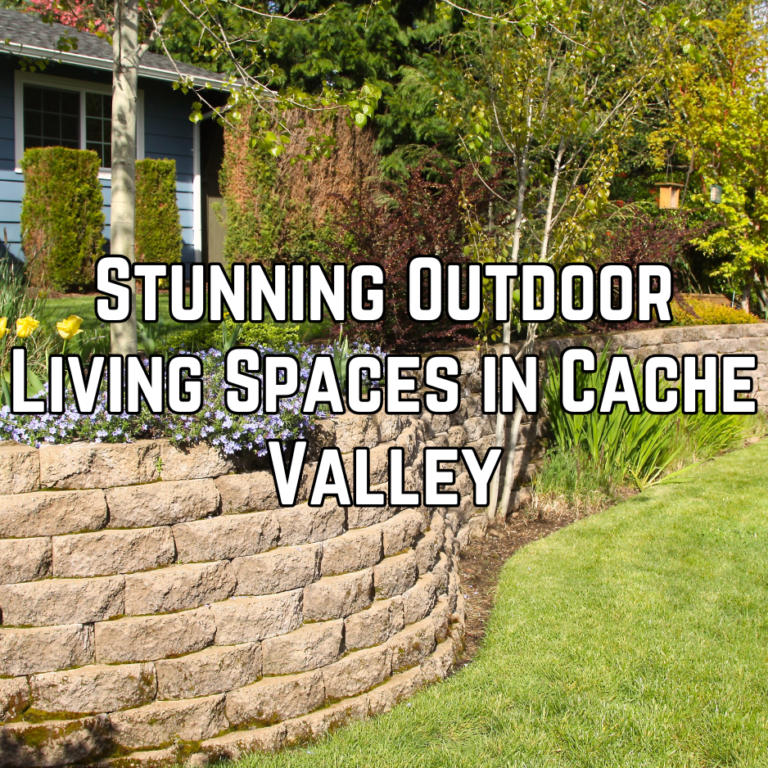
Cache Valley’s varied topography often requires retaining walls to create level outdoor living spaces.
Primary Functions:
- Grade Change Management: Creates level areas on slopes
- Erosion Control: Prevents soil movement
- Planting Beds: Defines garden areas with better drainage
- Seating Walls: Combines function with casual seating
- Visual Interest: Adds dimension and character
Retaining Wall Materials
Segmental Retaining Wall Blocks
Manufactured concrete blocks designed for wall construction.
Advantages:
- Easy to work with
- Consistent sizing
- No mortar required (for shorter walls)
- Many style options
- Cost-effective
Considerations:
- Less natural appearance than stone
- Color may fade over time
- Limited height without engineering
Cost: $15-$30 per square face foot installed
Natural Stone
Fieldstone, limestone, or other natural stone creates timeless walls.
Advantages:
- Unmatched natural beauty
- Unique character
- Long-lasting
- Can be dry-stacked or mortared
Considerations:
- Higher material and labor cost
- Requires skilled mason
- Heavy—may require equipment
- Variable stone shapes require expertise
Cost: $25-$50+ per square face foot installed
Boulder Walls
Large boulders create dramatic, naturalistic walls.
Advantages:
- Dramatic impact
- Natural appearance
- Minimal maintenance
- Can incorporate plantings
Considerations:
- Requires heavy equipment for placement
- Not suitable for all applications
- Less precise than block or stone
- Significant footprint at base
Cost: $20-$40 per square face foot installed
Timber Walls
Landscape timbers or railroad ties create rustic walls.
Advantages:
- Lower cost
- Rustic appearance
- DIY-friendly for short walls
Considerations:
- Limited lifespan (10-20 years)
- Can rot or shift
- Less refined appearance
- May contain creosote (railroad ties)
Cost: $10-$20 per square face foot installed
Engineering Requirements
Important: Retaining walls over 4 feet in height typically require engineered design and building permits in Cache Valley jurisdictions.
Factors Affecting Wall Design:
- Height and length of wall
- Soil type and conditions
- Drainage requirements
- Surcharge loads (vehicles, structures near wall top)
- Frost depth (42+ inches in Cache Valley)
Always consult a professional for walls over 3-4 feet tall or in challenging conditions.
Part 5: Hardscape Design Principles
Creating Outdoor Rooms
The most successful outdoor living spaces function as “outdoor rooms” with defined purposes and boundaries.
Elements That Define Outdoor Rooms:
- Flooring: Patio surface differentiates space from lawn
- Walls: Retaining walls, planting beds, or screens provide enclosure
- Ceiling: Pergolas, shade sails, or tree canopy overhead
- Furnishings: Furniture appropriate to room’s purpose
- Focal Points: Fire feature, water feature, or view
The Work Triangle for Outdoor Kitchens
Like indoor kitchens, outdoor cooking spaces benefit from efficient layout.
Key Distances:
- Grill to prep counter: 4-8 feet
- Prep area to sink: 4-6 feet
- Total triangle perimeter: 12-26 feet
Traffic Flow
Plan pathways that connect spaces without interrupting activities.
Guidelines:
- Main pathways: 4-5 feet wide (allow two people to pass)
- Secondary paths: 2-3 feet wide
- Service routes: Connect kitchen to house efficiently
- Don’t route traffic through primary seating areas
Scale and Proportion
Space relationships matter:
- Furniture should fit comfortably with room to move
- Features should be proportional to space and home
- Allow adequate seating for intended group size
- Consider views and sight lines from seating positions
Part 6: Materials That Withstand Cache Valley’s Climate
Climate Challenges
Cache Valley’s climate presents specific challenges for outdoor materials:
- Freeze-Thaw Cycles: Water penetration followed by freezing causes cracking
- Intense UV: High-altitude sun fades colors and degrades materials
- Snow Load: Heavy snow accumulation stresses structures
- Temperature Extremes: -25°F to 95°F+ range
Material Performance in Our Climate
| Material | Freeze-Thaw | UV Resistance | Snow Load | Overall Rating |
| Granite | Excellent | Excellent | Excellent | A+ |
| Bluestone | Excellent | Excellent | Excellent | A+ |
| Concrete pavers | Very Good | Good | Excellent | A |
| Poured concrete | Good | Good | Excellent | B+ |
| Natural flagstone | Good-Excellent | Excellent | Good | A- |
| Brick | Good | Good | Excellent | B+ |
| Wood decking | Fair | Fair | Good | B- |
| Composite decking | Good | Good | Good | B+ |
Protective Measures
For Concrete and Pavers:
- Apply penetrating sealer before winter
- Ensure proper drainage to prevent water pooling
- Avoid de-icing products that damage concrete
For Natural Stone:
- Seal porous stone types
- Ensure proper joint filling
- Grade away from stone surfaces
For Fire Features:
- Cover or protect when not in use
- Drain water from gas lines before winter
- Store portable features appropriately
Part 7: Current Design Trends
2024-2025 Outdoor Living Trends
Mixed Materials
Combining multiple materials creates visual interest and defines different zones.
Popular Combinations:
- Pavers with composite decking
- Natural stone with concrete
- Wood with metal accents
- Stone with decorative gravel
Biophilic Design
Connecting indoor and outdoor spaces with natural elements.
Elements:
- Large windows/doors opening to outdoor rooms
- Natural materials (stone, wood, water)
- Integrated plantings
- Views of landscape from seating areas
Outdoor Living Rooms
Treating outdoor spaces like true rooms with appropriate furnishings and features.
Key Elements:
- Weather-resistant upholstered furniture
- Outdoor rugs
- Decorative lighting
- Art and accessories
Multi-Functional Spaces
Outdoor areas that serve multiple purposes.
Examples:
- Fire pit that doubles as table
- Seating walls that provide storage
- Pergolas with retractable covers
- Convertible dining/lounge areas
Smart Integration
Technology enhancing outdoor experiences.
Applications:
- Automated pergola louvers
- Smart lighting control
- Outdoor sound systems
- Weather sensors triggering covers
Part 8: Working with Landscape Professionals
When to Hire Professionals
While some homeowners tackle simple projects, professional installation ensures best results for:
- Retaining walls over 3-4 feet
- Gas fire features (requires licensed plumber)
- Outdoor kitchen plumbing and electrical
- Large or complex patio installations
- Grading and drainage modifications
- Permit-required projects
What to Look for in a Contractor
Credentials:
- Valid Utah contractor’s license
- General liability insurance
- Workers’ compensation coverage
- Industry certifications (beneficial but not required)
Experience:
- Portfolio of local projects
- References from Cache Valley clients
- Experience with similar scope
- Knowledge of local conditions and codes
Process:
- Detailed written proposals
- Clear timeline and milestones
- Transparent pricing
- Warranty on workmanship
Questions to Ask Potential Contractors
- How long have you been installing outdoor living spaces in Cache Valley?
- Can you provide references from local projects?
- What is your warranty on materials and workmanship?
- How do you handle changes or unexpected issues?
- What permits will be needed, and who obtains them?
- How do you protect existing landscape during construction?
- What is the payment schedule?
- How long will the project take?
Part 9: Maintenance for Longevity
Seasonal Maintenance Schedule
Spring:
- Clean all hardscape surfaces
- Inspect for winter damage
- Reapply joint sand if needed
- Check fire feature connections
- Service outdoor kitchen equipment
- Treat/seal surfaces as needed
Summer:
- Regular cleaning
- Monitor for settling or movement
- Address weeds in joints promptly
- Clean grill and appliances regularly
Fall:
- Deep clean before winter
- Winterize water features and plumbing
- Shut down gas lines to outdoor kitchen
- Cover or protect furniture
- Store cushions and accessories
Winter:
- Remove snow carefully (avoid salt on surfaces)
- Monitor for ice dam formation
- Keep access paths clear
Long-Term Maintenance
Every 1-2 Years:
- Reapply polymeric sand to paver joints
- Power wash surfaces
- Inspect retaining walls for movement
- Check all electrical and gas connections
- Re-seal surfaces that require it
Every 3-5 Years:
- Professional inspection of retaining walls
- Deep cleaning and restoration
- Replace worn gaskets and seals on equipment
- Touch up any damaged areas
Budget Planning Guide
Cost Ranges for Common Features
| Feature | Basic | Mid-Range | Premium |
| Patio (400 sq ft) | $4,800-$7,200 | $7,200-$14,000 | $14,000-$24,000+ |
| Fire Pit | $1,500-$3,000 | $3,000-$6,000 | $6,000-$12,000+ |
| Outdoor Fireplace | $6,000-$10,000 | $10,000-$20,000 | $20,000-$40,000+ |
| Outdoor Kitchen | $5,000-$12,000 | $12,000-$25,000 | $25,000-$75,000+ |
| Retaining Wall (per linear foot) | $75-$150 | $150-$300 | $300-$500+ |
| Pergola | $3,000-$6,000 | $6,000-$12,000 | $12,000-$25,000+ |
Note: Costs vary based on materials, site conditions, and project complexity.
Phased Implementation
Advantage: Spread investment over time while enjoying each phase.
Suggested Phases:
Phase 1: Foundation
- Main patio installation
- Basic electrical/gas rough-in
- Primary drainage addressing
Phase 2: Gathering Space
- Fire pit or fireplace
- Seating area
- Basic lighting
Phase 3: Entertaining
- Outdoor kitchen
- Expanded seating
- Enhanced lighting
Phase 4: Finishing
- Pergola or shade structure
- Water feature
- Landscape integration
Conclusion
Creating an outdoor living space in Cache Valley represents an investment in your home, your lifestyle, and your family’s enjoyment. The right combination of hardscape elements—patios, fire features, outdoor kitchens, and retaining walls—transforms your yard into functional living space that extends your home’s boundaries and your family’s experiences.
Key Takeaways:
- Material Selection Matters: Choose materials rated for our freeze-thaw cycles and temperature extremes
- Design for Function: Create defined spaces with clear purposes and good traffic flow
- Plan for Climate: Fire features and covered areas extend usability through our seasons
- Invest in Quality: Professional installation and premium materials pay dividends in longevity
- Maintain Consistently: Regular care protects your investment and keeps spaces beautiful
Whether you’re envisioning a simple patio for family dinners or a complete outdoor entertainment destination, the principles in this guide will help you create spaces that serve your needs for decades to come.
Green Canyon Landscaping designs and builds outdoor living spaces throughout Cache Valley—from intimate patios to comprehensive outdoor entertainment areas. Our team understands local conditions, material performance, and design principles that create lasting value. Contact us for a consultation on your outdoor living project.